authenticated by

Share
Trekking
Dec 25, 2024 · 5 min read
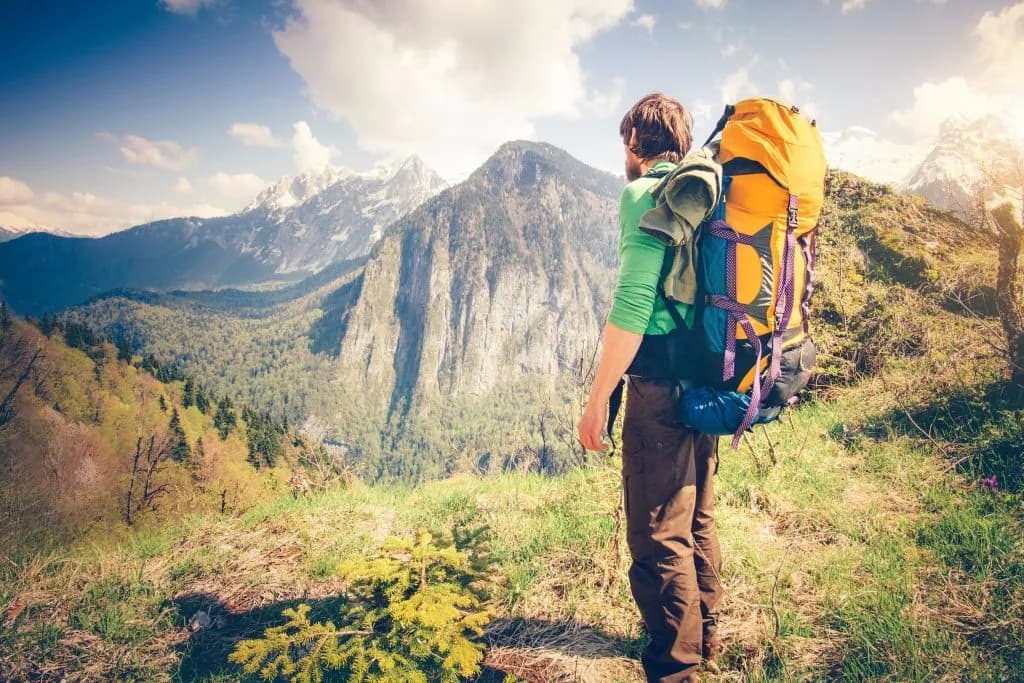
Even if you are physically weak, you can still participate in trekking and overcome yourself with the following notes:
To improve your endurance, spend at least 15 minutes to half an hour walking or jogging every day. This will help your body get used to the physical activity and avoid sudden overloads while trekking, helping to avoid cramps and fatigue quickly. Endurance is the most important factor in trekking, so look for endurance exercises.
Choose to trek in autumn or early winter, when the weather is not too cold or hot. If it is too hot, you are susceptible to heatstroke and sweat loss, leading to exhaustion and difficulty completing the trip. The sun will create good conditions for taking photos and enjoying the scenery, however, cool and rainless weather is the most ideal weather for those with weak physical strength. If you want to take photos in the sun, choose sunny days with scattered clouds. For beginners, it is recommended to choose routes that last for 2 days and 1 night to have a more leisurely time.
When trekking, the ideal outfit is a shirt that dries quickly. For climbing shoes, choose a size that is about 0.5 to 1 size larger than the normal shoes you usually wear every day. When climbing, the pressure will be concentrated on the feet, which can easily cause blisters, so the shoes need to be wide enough for the feet to be comfortable. Especially when going down the mountain, the pressure is concentrated on the toes, if the shoes are too tight or too tight, the toes will be compressed and cause pain. However, avoid choosing shoes that are too wide, making it difficult to move. Shoes should be waterproof and have high-grip soles.
Wear lightweight, quick-drying pants with elastic waistbands for comfort. To avoid strangulation and abrasions from contact with vegetation, pants should be ankle-length. Choose high socks but avoid socks that are too tight, which can impede blood circulation. Prepare gloves with good grip. If you sweat a lot, use a headband to absorb sweat and keep hair out of your eyes, protecting your forehead from unexpected impacts.
People with limited physical strength sometimes need the support of their hands to overcome difficult terrain. If you do not have gloves and your hands are bare, your nails are prone to getting dirty and dusty and are difficult to clean. Keeping your fingernails trimmed is a way to ensure hygiene and avoid the problem of nails popping up or breaking. Similarly, toenails should be trimmed short. Long toenails can also hinder the descent and cause pain.
During the trekking process, if you feel tired, stop and breathe evenly to give your body time to recover. Limit sitting for long periods of time. If you have to sit, do not sit for too long because your body is in the process of moving. If you sit for too long, your legs will become numb and it will be more difficult to move.
During the climb to the top, if you feel you cannot continue, stop, rest and be ready to return. Always consider the distance down that awaits you. You need enough strength to complete that distance, so do not use all your strength to climb to the top without enough strength to go down. Be ready to use a stick to support and maintain balance. For those who are afraid of heights or have low strength, focus only on the steps and the person in front, avoid looking down the cliff with the risk of dizziness and lightheadedness. Take advantage of the branches and tree trunks on both sides of the path for support. Avoid contact with rotten trees, dead trees or trees near the cliff.
Prepare some small, light foods such as candy, cakes, chocolate... These are necessary foods for the trip, especially for people with weak physical strength who are prone to hypoglycemia and need sweets to increase their strength. Absolutely do not eat too much because it can cause a feeling of heaviness in the stomach and difficulty moving. To keep your body as light as possible, avoid carrying too many unnecessary items. Just prepare important items such as spare chargers, cell phones, flashlights. If necessary, bring a hot cream to help relax your muscles when necessary.
When drinking water, drink slowly, in small sips, to avoid over-drinking and causing the rebound effect. You may feel thirsty, but too much water can make you feel nauseous and uncomfortable with the feeling of a full stomach while your body is still moving.
In addition to your pack-bearer and guide, you will need a physically fit companion to be there for support. It is best to have one companion stay behind to keep an eye on you, while the more fit person walks in front and can provide support during difficult climbs.
When you are physically weak, your speed will not be as fast as experienced people. Your teammates need to be patient and able to motivate you. Never force yourself to try to catch up with others just because they are faster. Always inform your teammates when you are not feeling well so that you can receive timely support.
For those who love taking photos and checking in, beautiful photos will be the motivation for them to set off. Take time to enjoy taking photos, and also time to relax. For many people, after taking beautiful photos, their mood will become more excited, and that will be the motivation to continue the journey. For many others, it is a challenge to overcome themselves and conquer the peak.
Keep reading
 Related
 Related
 Related
 Related
 Related
 Related
 Related
 Related
Log in to leave a comment. Log in
Be the first to comment.
React to this story