authenticated by

Share
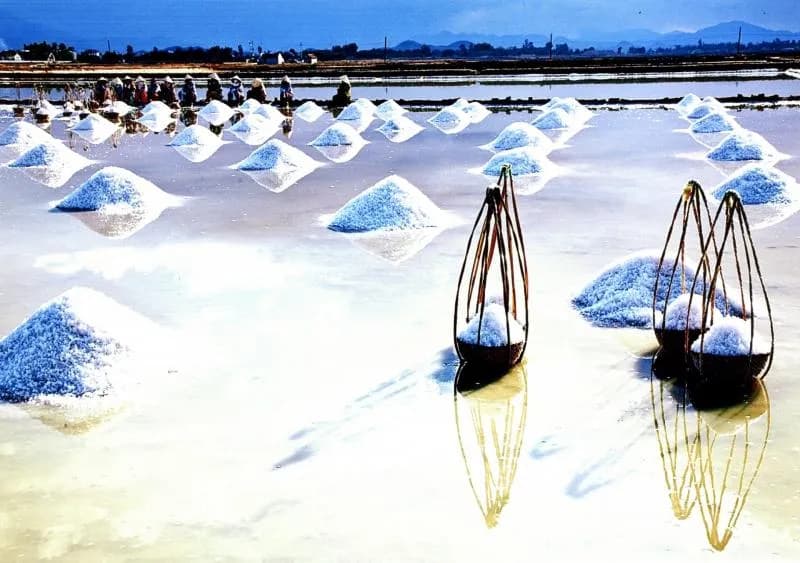
Salt fields
Dec 25, 2024 · 2 min read
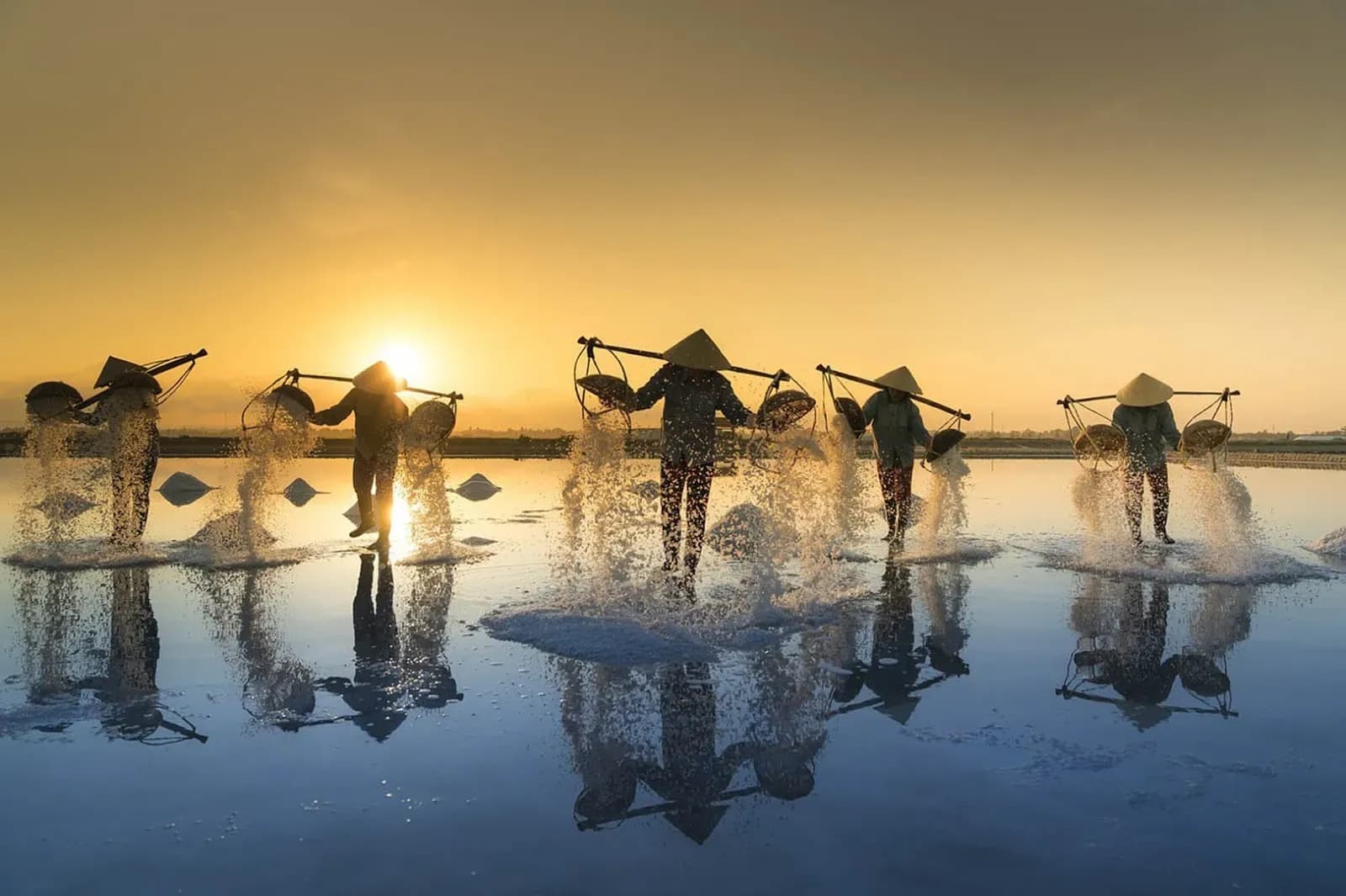
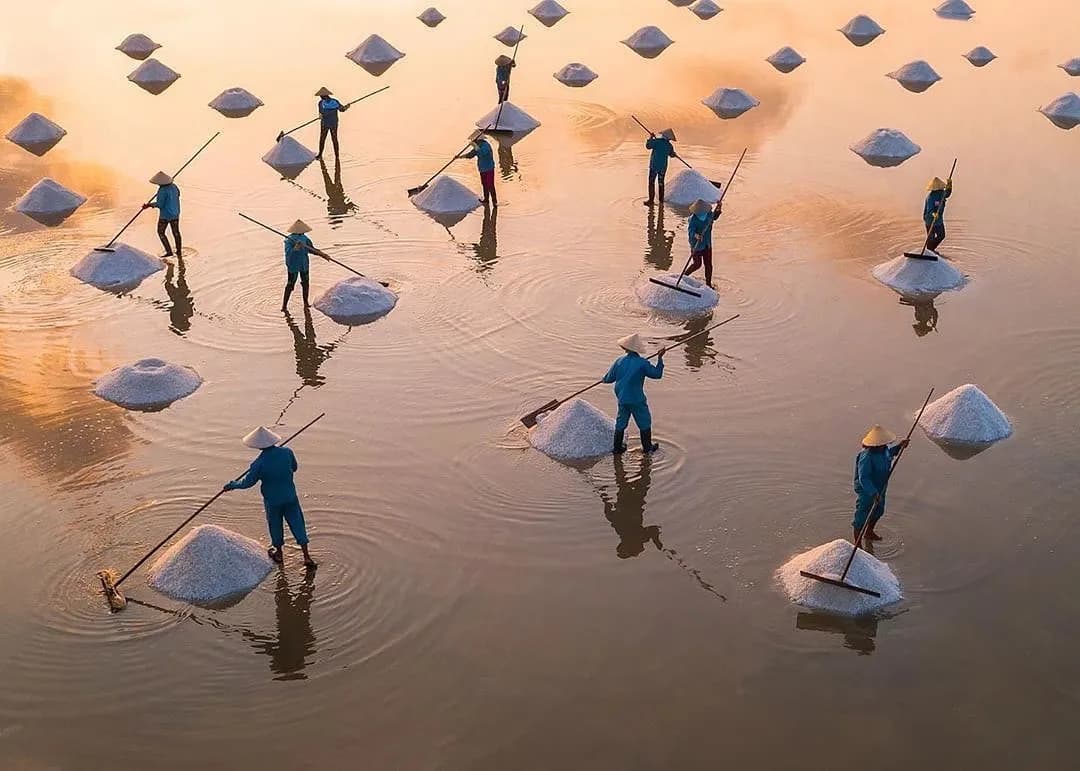
Once ranked among the most beautiful sunset viewing spots in the world and the inspiration for fascinating photo collections, it is no coincidence that the beauty of Vietnam's salt fields is so popular.
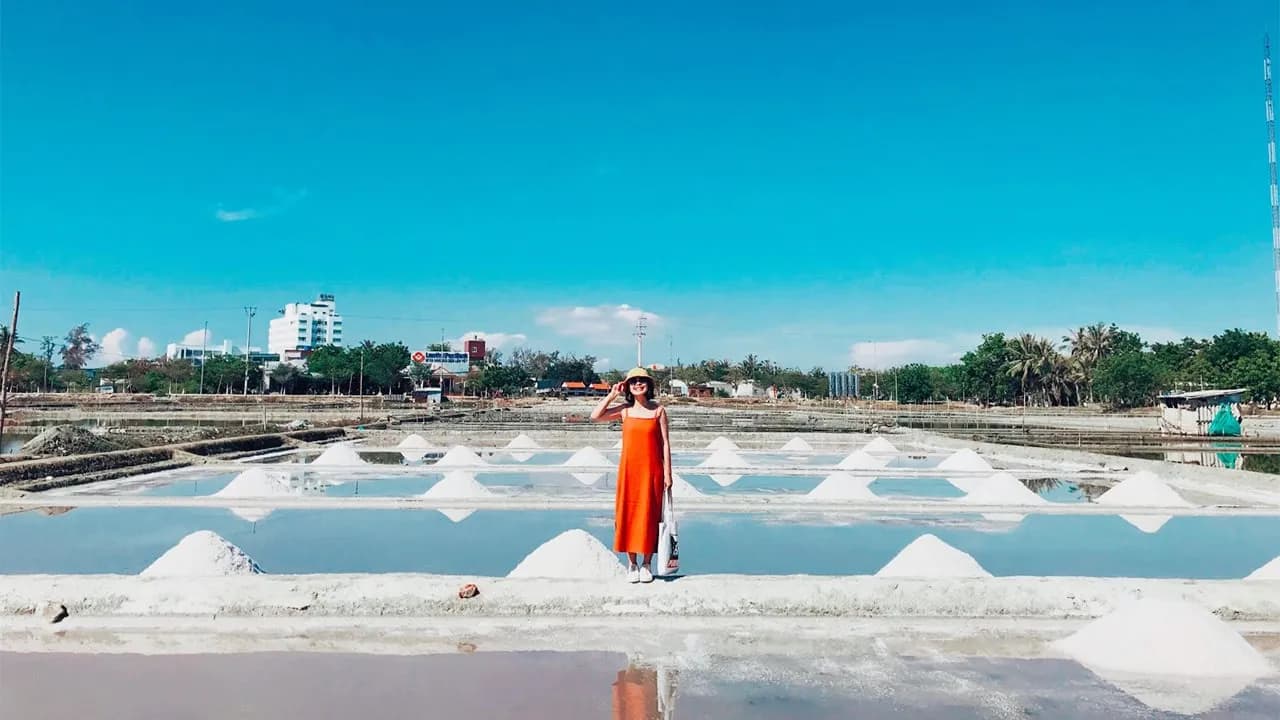
Let's explore the beauty of Ben Tre salt fields, Vietnam with iguide.ai!
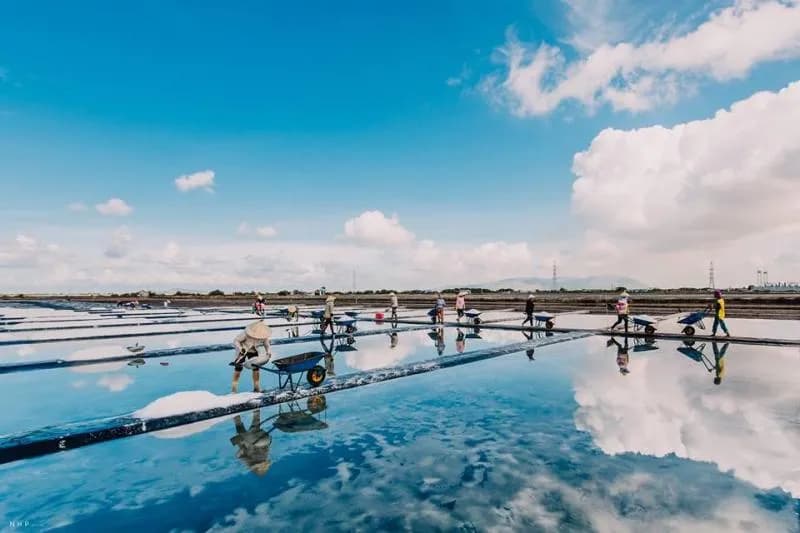
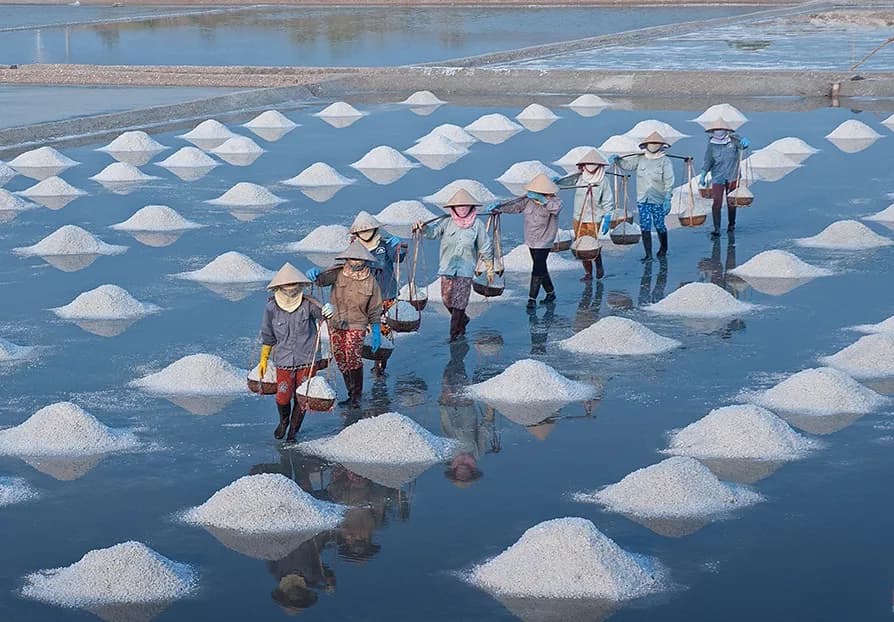
When traveling to Ben Tre, tourists cannot miss the traditional salt-making village in Bao Thanh, Ba Tri. People often call people who do this job "salt farmers", because "salt" means salt, meaning "salt makers". This job is inherently hard, a job that always "sells its face to the ground, its back to the sky", completely dependent on the weather. Salt making can only be done in the dry season, not in the rainy season.
According to many people who have been in the salt making business for a long time, Bao Thanh commune started making salt before the 1930s. This is a profession that has been passed down from generation to generation. This profession does not require much capital but requires a lot of labor, along with common tools such as rollers, rakes, and scales.
The salt season usually starts in October (lunar calendar) of the previous year and ends in March (lunar calendar) of the following year. This year, due to the hot weather and high salinity, salt production in Ben Tre province is favorable, with salt productivity reaching 1,200 - 1,500 bushels/ha. Many salt farmers also combine aquaculture with salt production to earn hundreds of millions of VND/ha.
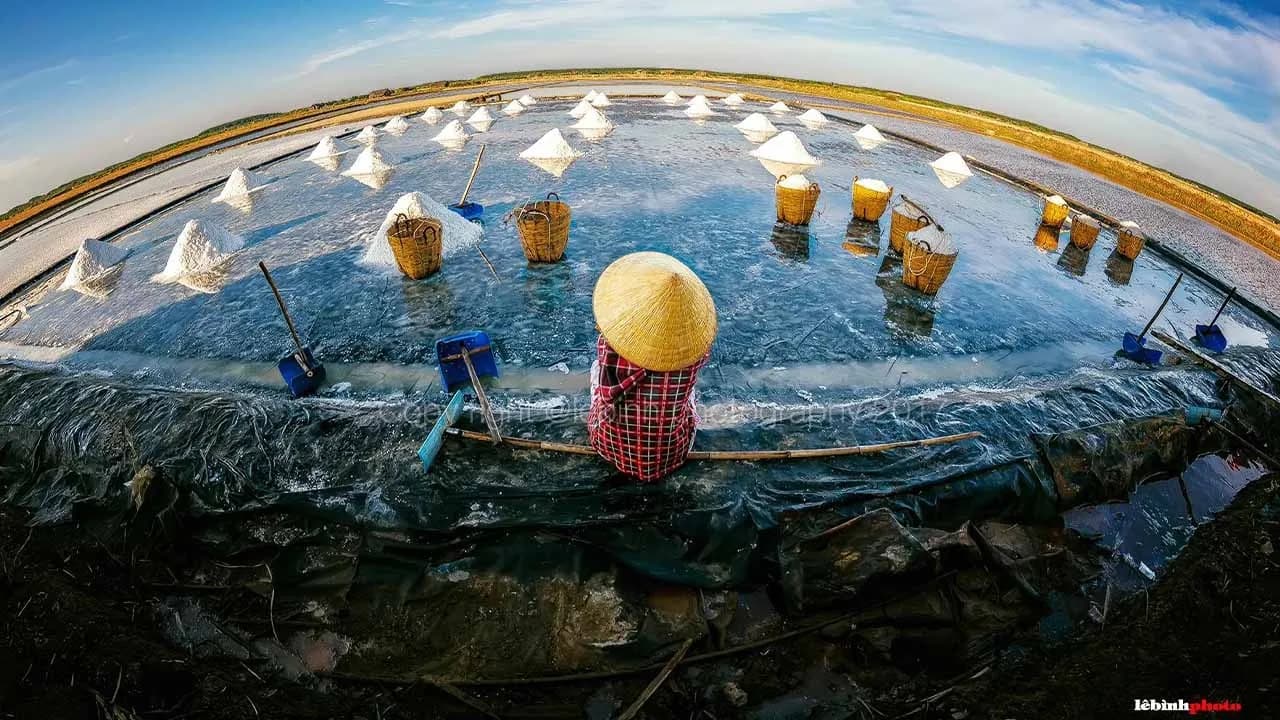
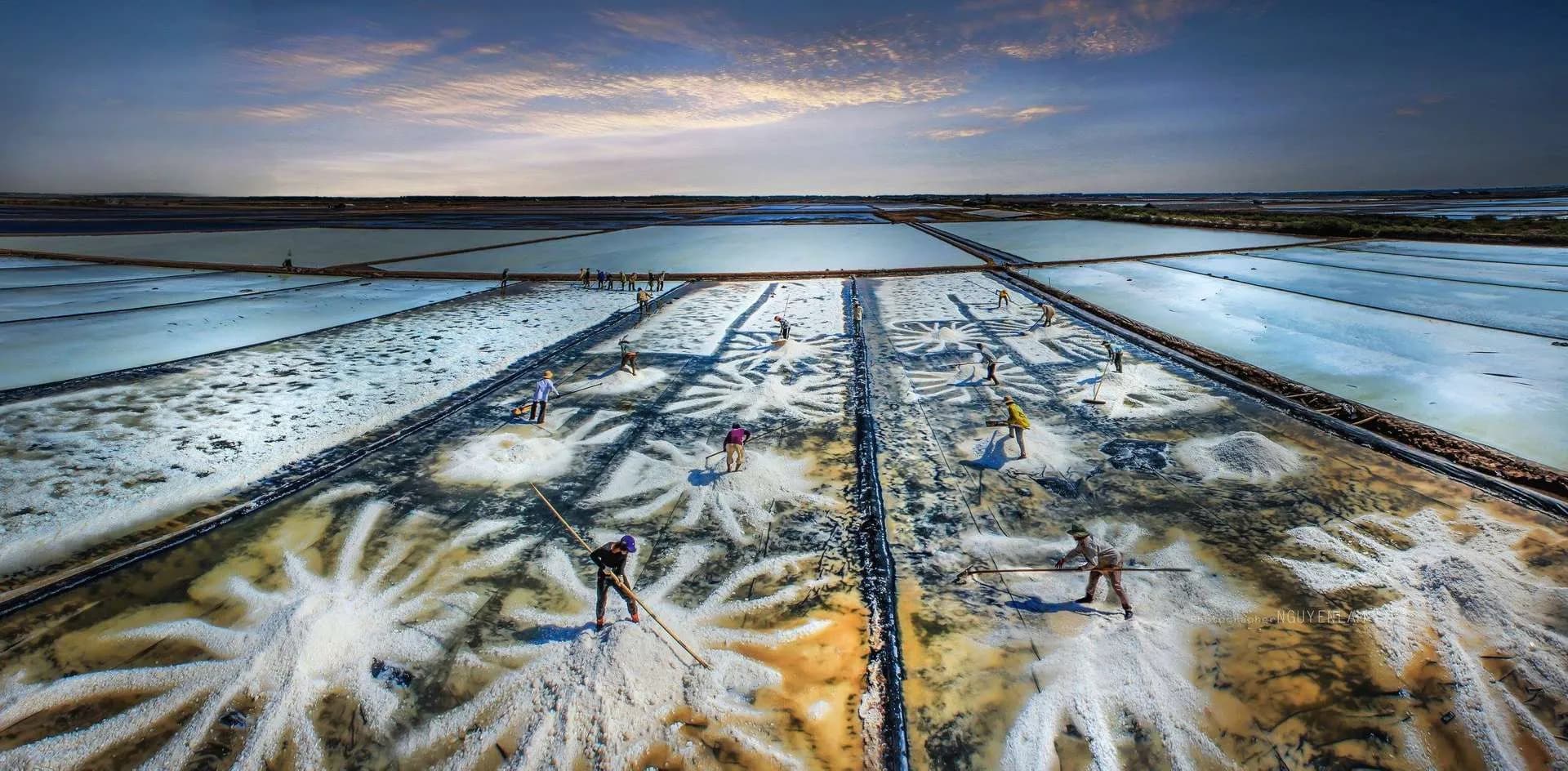
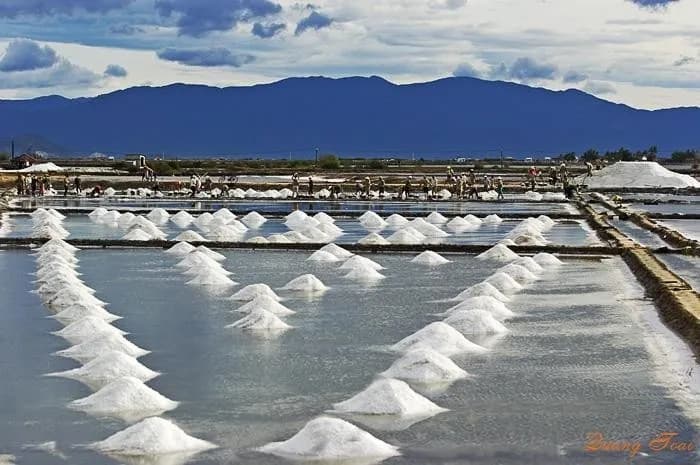
Under the bright yellow sunlight, the small salt grains on the Bao Thanh and Ba Tri fields sparkle, looking from afar like pearls crystallized from the salty taste of the ocean. Bao Thuan Commune is one of the four coastal communes of Ba Tri District, Ben Tre Province. Although it is a coastal commune, all the salt fields of the people are located deep inside the dike. Therefore, salt farmers here have to get seawater through the system of canals in the fields.
Making salt looks simple but is not easy at all, it has to be done step by step. First, you have to build the banks, level the rice field like a mold, then dry the mold, add water to the mold, transfer water back and forth between the molds to make it suitable, then sprinkle “seed salt” and finally harvest.
Thank you for choosing iguide.ai to accompany your exciting experience!
Keep reading
Log in to leave a comment. Log in
Be the first to comment.
React to this story