authenticated by

Share

Coffee
Vietnamese Tea Coffee: The journey from hardship to success. A new experience of coffee flavor and tradition in the Northwest, Central and Central Highlands regions.
Dec 25, 2024 · 3 min read
Arabica coffee has not had a worthy position in the Vietnamese coffee industry for over 30 years. In this article, iGide.ai will share with you information about this Arabica coffee species in Vietnam!
For over 30 years, Arabica coffee has not had a worthy position in the Vietnamese coffee industry. We, iGuide, will bring you a panoramic view of Arabica coffee in our country.
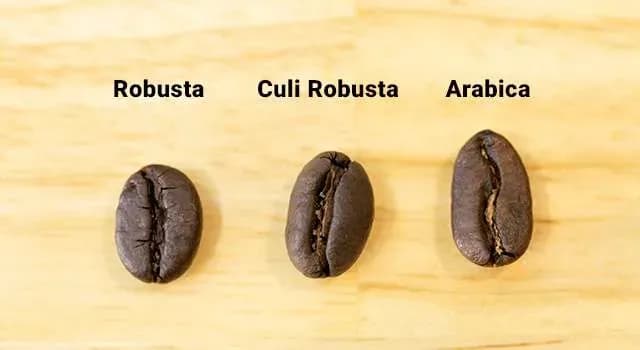
Since the 1980s, due to the lack of pest control measures for Arabica coffee plants, the Vietnamese coffee industry has shifted to expanding the area of Robusta coffee on the red basalt soil of the Central Highlands. Currently, Vietnam leads the world in Robusta coffee production with about 1 million tons per year, while Arabica coffee accounts for only a small proportion of the total output.
Initially, Arabica coffee was widely grown in the North with the varieties Typica and Bourbon. However, due to pests and diseases such as stem borers and rust, the development of Arabica coffee encountered difficulties. In the last two decades, with the birth of the Arabica coffee variety Catimor - the result of the crossbreeding process between Timor Hybrid and Caturra - it has created resistance to rust and opened up new development opportunities. The Catimor F6 variety, put into production since 1996, has created the premise for new hybridization research. Thanks to that, high-yield and quality varieties such as TN1 and TN2 have been born, creating a big step forward for Arabica coffee in Vietnam.
With its mountainous terrain, the Northwest is an ideal region for Arabica coffee. The Son La Plateau, Moc Chau and surrounding areas such as Dien Bien and Lai Chau all have favorable climates with altitudes ranging from 500 to 1500 m. Highlands such as Lao Cai and Yen Bai are also potential places for Arabica coffee to grow.
The Central region stretches from Thanh Nghe Tinh to Binh Tri Thien, where has witnessed the long-standing development of Tea coffee. The most prominent are the Hoanh Son and Deo Ngang mountain ranges, places that not only make the reputation but are also closely associated with the tradition of Tea coffee here.
Although the Central Highlands is famous for its favorable climate for Robusta coffee, there are still many regions suitable for Arabica coffee thanks to its specific altitude. Lam Dong is a typical example, along with other regions such as Kon Plong, Dak Nong and Vinh Son in Binh Dinh, all possessing great potential for the development of Arabica coffee.
Above is interesting information about the Arabica coffee tree in Vietnam that iGuide is pleased to send to you. Hopefully you have gained more valuable knowledge about this unique coffee. Thank you for choosing iGuide.ai to accompany your interesting experiences!
Keep reading
 Related
 Related
 Related
 Related
 Related
 Related
 Related
 Related
Log in to leave a comment. Log in
Be the first to comment.
React to this story