authenticated by

Share
iGuide Stories
Discover effective ways to prevent tick bites and Lyme disease with our comprehensive guide. Learn about personal protective behaviors, the importance of regular tick checks, and how to use effective tick repellents. Discover insights into tick behavior, best practices for tick removal, and safe repellent options for maximum protection during outdoor activities.
By Admin
Oct 4, 2024 · 3 min read
Tick bites can lead to serious health problems, including Lyme disease, a condition transmitted by black-legged ticks. Understanding tick behavior and taking effective preventative measures can significantly reduce your risk of contracting tick-borne diseases. Here's a guide to help you protect yourself and your loved ones from ticks.
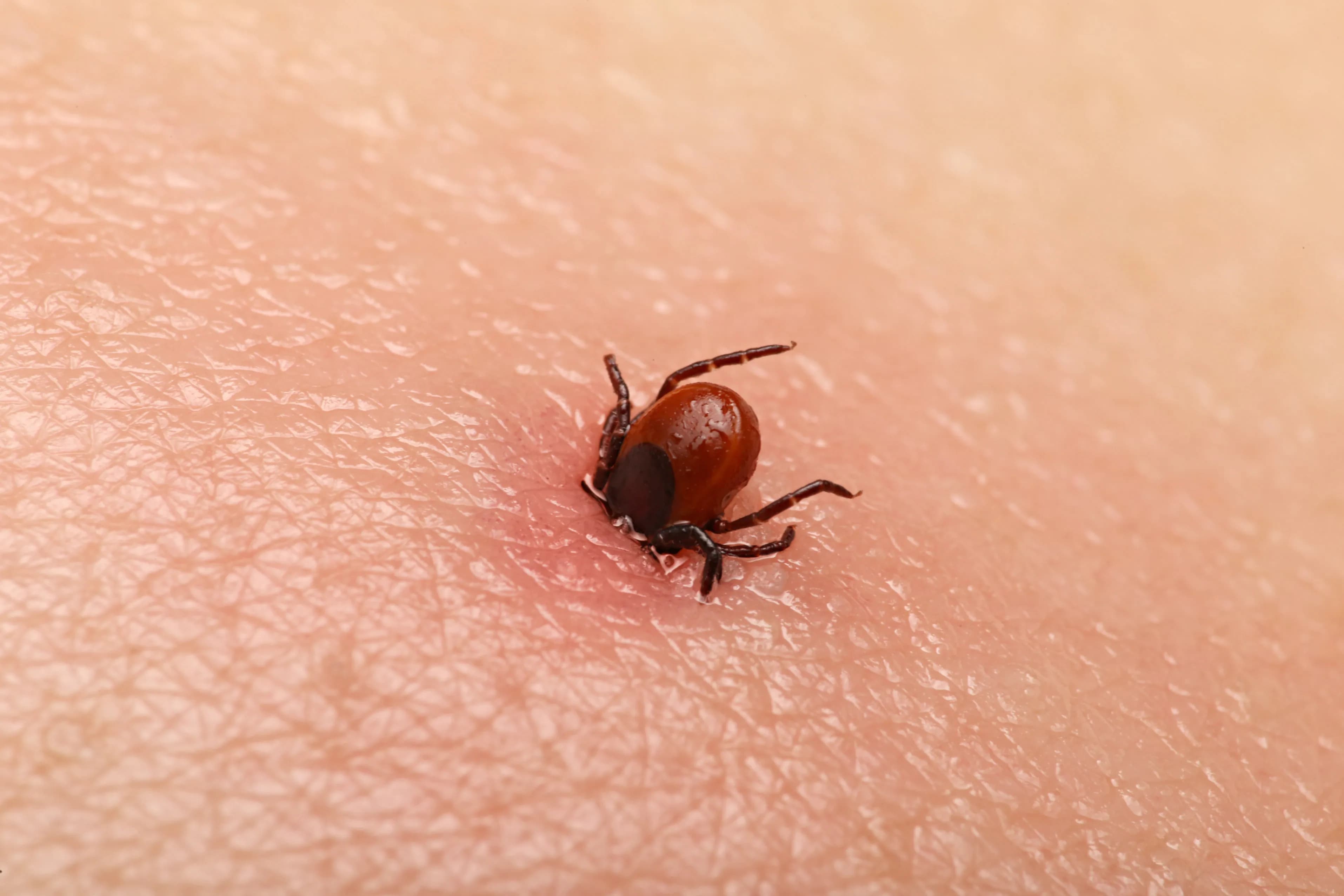
Ticks are small arachnids that do not jump or fly, but instead attach themselves to a host as they pass by. Most cases of Lyme disease involve the nymphal stage of the black-legged tick, which is active in late spring and summer. These ticks are very small and difficult to spot, making regular checks necessary. Adult ticks are larger and easier to see, but are less likely to be associated with Lyme disease. They are active in the fall and on warmer days of winter and spring.
About the writer
Admin
iGuide Editorial
Keep reading

By Admin

By Admin

By Admin


By Admin



By Admin
Prompt removal of attached ticks is important to prevent the transmission of Lyme disease and other infections. Use fine-tipped tweezers to grasp the tick close to the skin and pull steadily. Disinfect the bite area with alcohol afterward. It takes 36-48 hours for the bacteria that cause Lyme disease to spread, so early removal is essential.
DEET:A highly effective repellent against ticks and mosquitoes, DEET should be applied sparingly to exposed skin. It provides protection for several hours but should be reapplied as needed.
Permethrin medicine:This repellent is applied to clothing and belongings, not the skin. It kills ticks on contact and provides high levels of protection.
Plant Repellent:Options like lemon eucalyptus essential oil provide protection but are generally less effective than synthetic repellents.
DEET has a long history of being safe when used properly. Follow label instructions, avoid over-application, and wash off when indoors. DEET is not recommended for use on children under two months of age.
By understanding tick behavior and taking these preventative measures, you can significantly reduce your risk of tick bites and Lyme disease. Regular tick checks, use of repellents, and creating a tick-safe environment are essential components of effective tick bite prevention. Stay vigilant and informed to protect yourself and your family from tick-borne diseases and ensure a safe and enjoyable outdoor experience.
Log in to leave a comment. Log in
Be the first to comment.
React to this story