authenticated by

Share
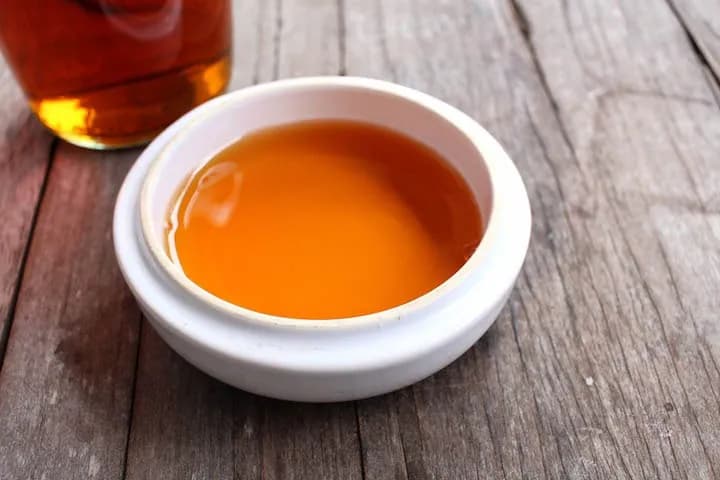
Fish Sauce
Dec 25, 2024 · 3 min read
Fish sauce is the “national soul” of the Vietnamese people, contributing to the unique identity of Vietnamese cuisine. It is both a dish and an indispensable spice in every meal of people from rich to poor. Since at least 997, fish sauce has been recorded in the Complete Annals of Dai Viet through the tribute to the Song Dynasty in China. The fish sauce trade has a rich history, reflecting the flexible distribution method and many life stories of merchants by waterway. Nghe An, Vietnam is also famous for Quynh Luu fish sauce.
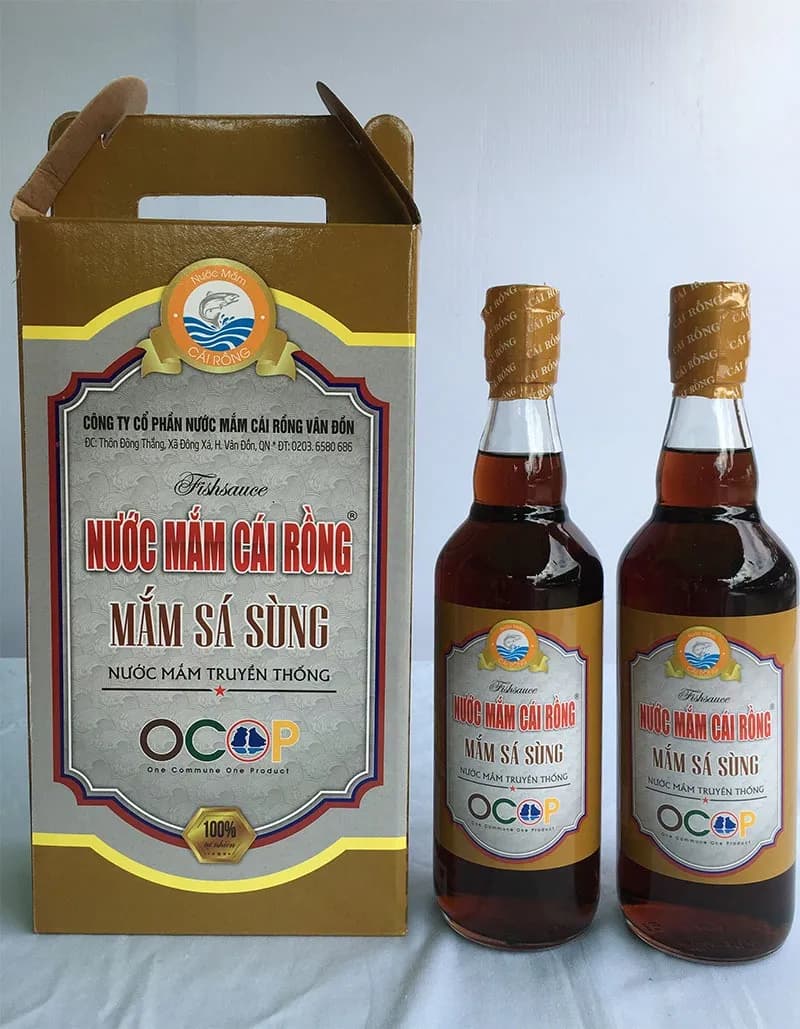
The villages of Phuong Can, Phu Nghia, Thanh Doai in Quynh Luu district have long been famous for their fish sauce making. There was a time when the number of boat owners producing fish sauce and fish sauce in these villages accounted for 6% of the number of households in the village. Some wealthy owners had 70-80 barrels in their yards and gardens to store fish sauce, fish sauce powder, and rice sauce. The barrels were made of yellow heartwood planks, the large ones could hold 50-70 fish, not including the salt and rice powder mixed in. Fish sauce was processed into many types with different qualities: first, second, third, and special. The most valuable, with the highest protein content, was the crossbow-head fish sauce.
The fish sauce making profession in Phu Nghia village is famous for the brand name “Van Quen fish sauce”, which is recorded in many documents. The book “History of Nghe Tinh (volume 1)” records that Nghe An has many famous fish sauce making regions such as Lach Quen and Lach Thoi fish sauce. By the 17th century, Phu Nghia fish sauce was famous in many places and became a specialty “presented to the king” along with other products such as squid, lobster, and crab. The feudal state also used Phu Nghia fish sauce to pay salaries to local or retired officials in the region, depending on their rank, each year providing a number of “jars” of the best fish sauce (a “jar” is a wooden barrel measuring fish sauce equivalent to 16 liters, still in use after the August Revolution in 1945).
The process of making good fish sauce in different regions is often the same and requires many meticulous steps. First is the stage of selecting fish, fresh anchovies are washed and drained. Next is the technique of salting the fish, adding enough salt, mixing in roasted rice bran (or sticky rice), then covering and fermenting. After a few months, open the lid and expose it to the sun until the fish is cooked, then use weighting blocks (made of stone or cement) to press down, the fish sauce will flow out through the pipe into an available basin. This water is then processed into fish sauce.
The fish sauce industry has developed and maintained to this day, helping many households become well-off. The development of this industry is based on the continuous development of the fishing industry of fishermen in the village. Thanks to the improvement of fishing equipment, tools and methods, from bottom fishing, diving, river fishing, rock fishing... to rafting, boat building, open-water fishing with small and large boats, seasonal nets and seasonal nets, the seafood harvested is increasingly more abundant and of higher quality, creating conditions for Quynh Luu people to process that seafood source.
Currently, Quynh Luu district has more than 500 fish sauce production facilities, providing tens of thousands of liters of fish sauce each year to serve people in the province and the whole country. Tan An fish sauce craft village, An Hoa commune, has been granted a traditional fish sauce trademark certificate by the Department of Intellectual Property. With more than 80 households and more than 200 workers participating in production, processing, and packaging, this craft village produces 4-5 million liters of various types of fish sauce each year.
Thank you for choosing iguide.ai to accompany your exciting experience!
Keep reading
 Related
 Related
 Related
 Related
 Related
 Related
 Related
 Related
Log in to leave a comment. Log in
Be the first to comment.
React to this story