Vietnamese ethnic groups
Discover about the Tho people
Discover the unique culture and lifestyle of the Turkish people. From traditional customs to natural landscapes, it's all waiting for you!
Dec 25, 2024 · 6 min read
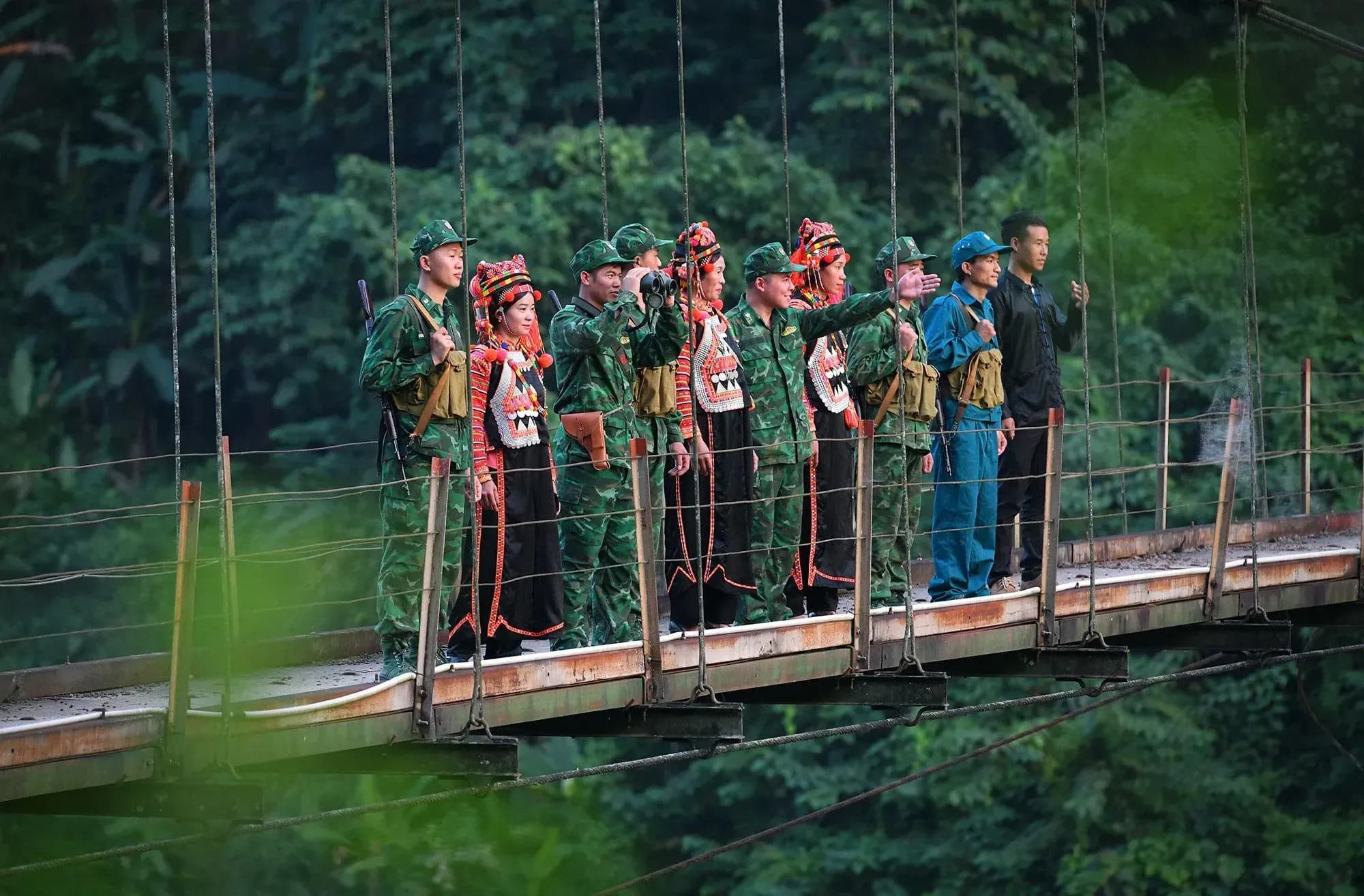
The Tho people are one of the four ethnic groups belonging to the Viet-Muong group. The current residential area of the Tho people is mainly in the midlands and mountainous areas of Nghe An province, the intersection of upstream and downstream migrations. Let's find out information about the Tho people in Vietnam with iGuide.ai!
Historical origins
About 4,000 years ago, there was a group of ancient Vietnamese people living in the midlands and mountainous areas of Nghe An province, and a part of Thanh Hoa province. Later, a group moved to the plains, gradually becoming Vietnamese; the other group remained in the old residential area, and were the ancestors of today's Tho people. Other names: Nha Lang People, Keo, Mon, Cuoi, Ho, Dan Lai, Ly Ha, Tay Pong, Con Kha, Xa La Vang...
Geographic distribution
The Tho are an ethnic group residing in the midlands and mountainous areas of Nghe An and Thanh Hoa provinces. The current residential area of the Tho people is the intersection of migration flows from the north to the south, from the lowlands to the highlands. Those who have the same fate have merged into a common Tho ethnic community.
Local group of Turks
Tho Mon: Most of them are of Muong origin, residing in the mountainous districts of Thanh Hoa province and some communes of Nghia Dan, Tan Ky, Quy Hop districts, Nghe An province. - Tho Keo (Keo) mainly live in Nghia Quang commune, Thai Hoa town, Nghe An province. - Tho Lam La resides mainly in communes of the old Lam La commune, Nghia Dan district, Nghe An province. - Tho Cuoi resides in Nghia Quang commune, Thai Hoa town, Nghe An province. - Tay Poong resides mainly in Tam Hop commune, Tuong Duong district, Nghe An province. - Dan Lai - Ly Ha resides in some communes of Con Cuong district, Nghe An province. In addition, there are some other names, such as Tho Giai Xuan, Con Kha, Ho. Previously, a part of Tho people were also called "Xa La Vang", which is the general name for the most unstable nomadic groups.
Population, language
Population: According to the 2019 Census of 53 Ethnic Minorities, the Tho people have 91,430 people (47,019 men, 44,411 women), ranking 23rd out of 54 ethnic groups in our country. - Language: Vietnamese, Tho, belongs to the Viet-Muong language group in the South Asian language family.
Main features
Traditional social institutions: The smallest administrative unit of the Tho people in the past was the village (now called the hamlet) with a village chief at its head. Above the village in terms of civil affairs was the muong. However, this organization in the Tho people's area was very vague, not as distinctive as the muong of the Muong or the Thai people. The basic residential unit of the Tay Poong and Dan Lai groups was the village or ban; established in high, flat places, near water sources in the middle of a valley or gentle slope, near streams.
The Tho family is a patriarchal family, mainly consisting of two generations of parents and children; patriarchy is quite high, in lowland groups there is a clear distinction between elder and younger, similar to the Vietnamese.
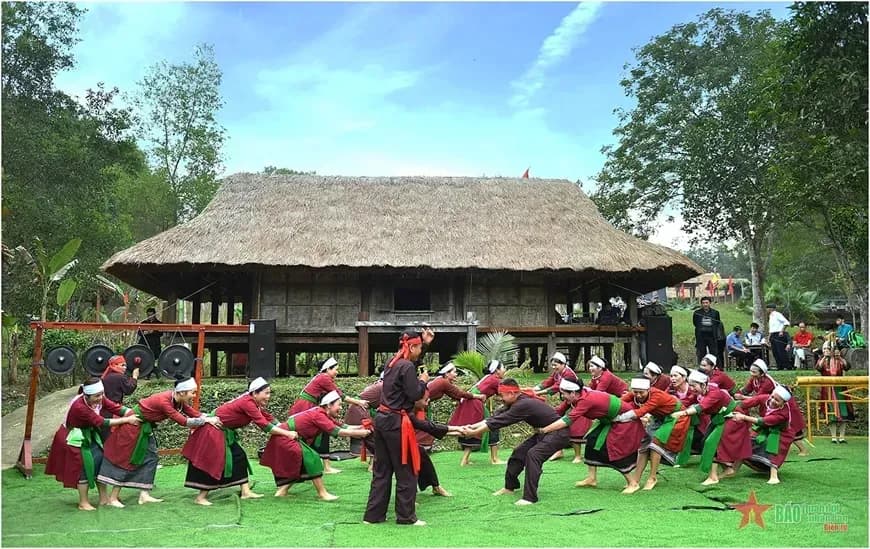
Housing: The traditional housing of the Tho people is a stilt house covered with simple wood, bamboo, and leaves; in some areas, the house is built with a curved column, and only needs a knife and an axe to build a house. Nowadays, the houses of the Tho people are also in the process of changing from stilt houses to earthen houses, many houses are built with many stories like the houses of the Vietnamese people in the region.
Religion and beliefs: All Tho groups have animistic beliefs, which are “master” beliefs. Along with ancestor worship, Tho people also worship local gods, kitchen gods, land gods, Thanh Hoang, and various ghosts (forest ghosts, stream ghosts, tree ghosts, mountain ghosts, etc.).
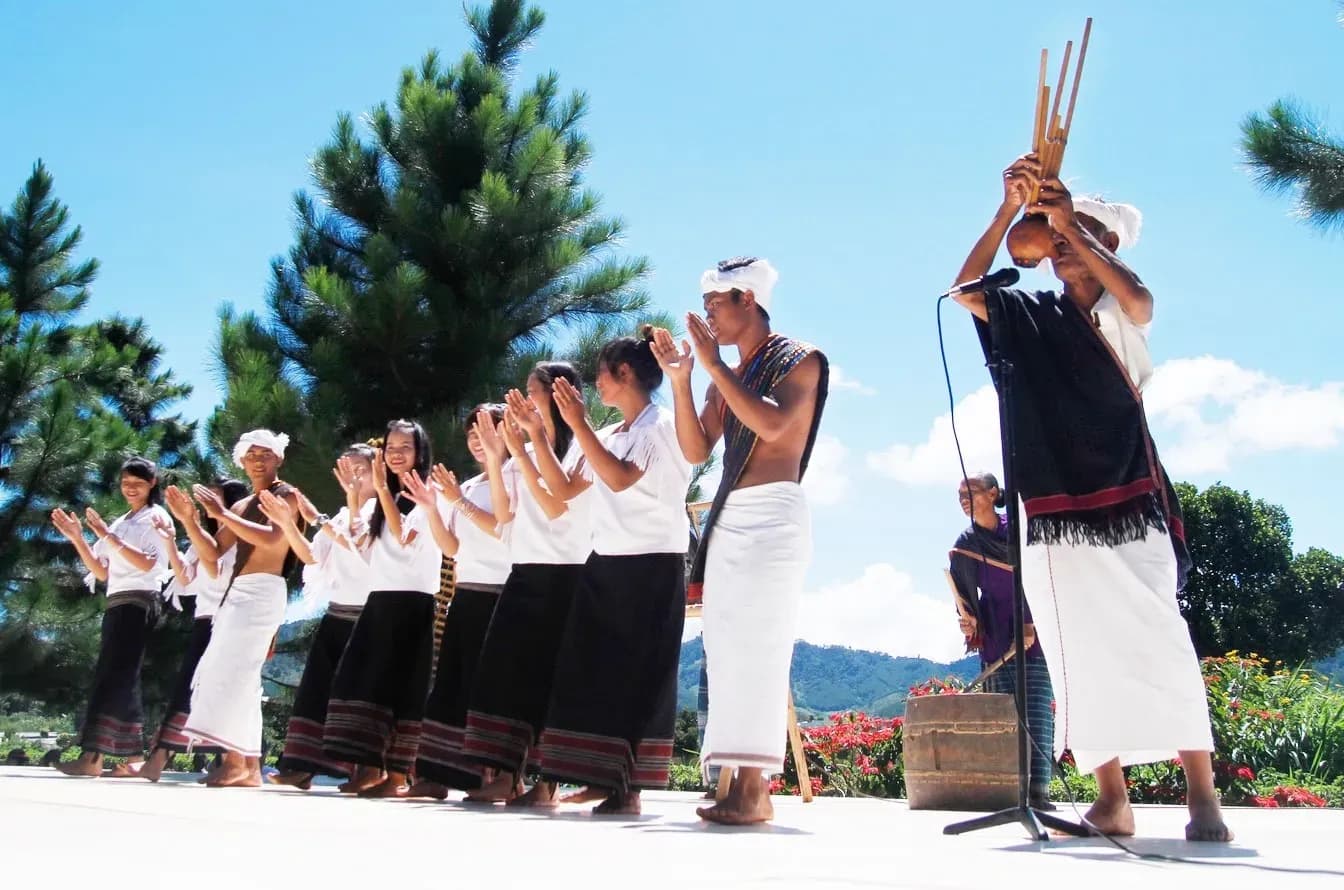
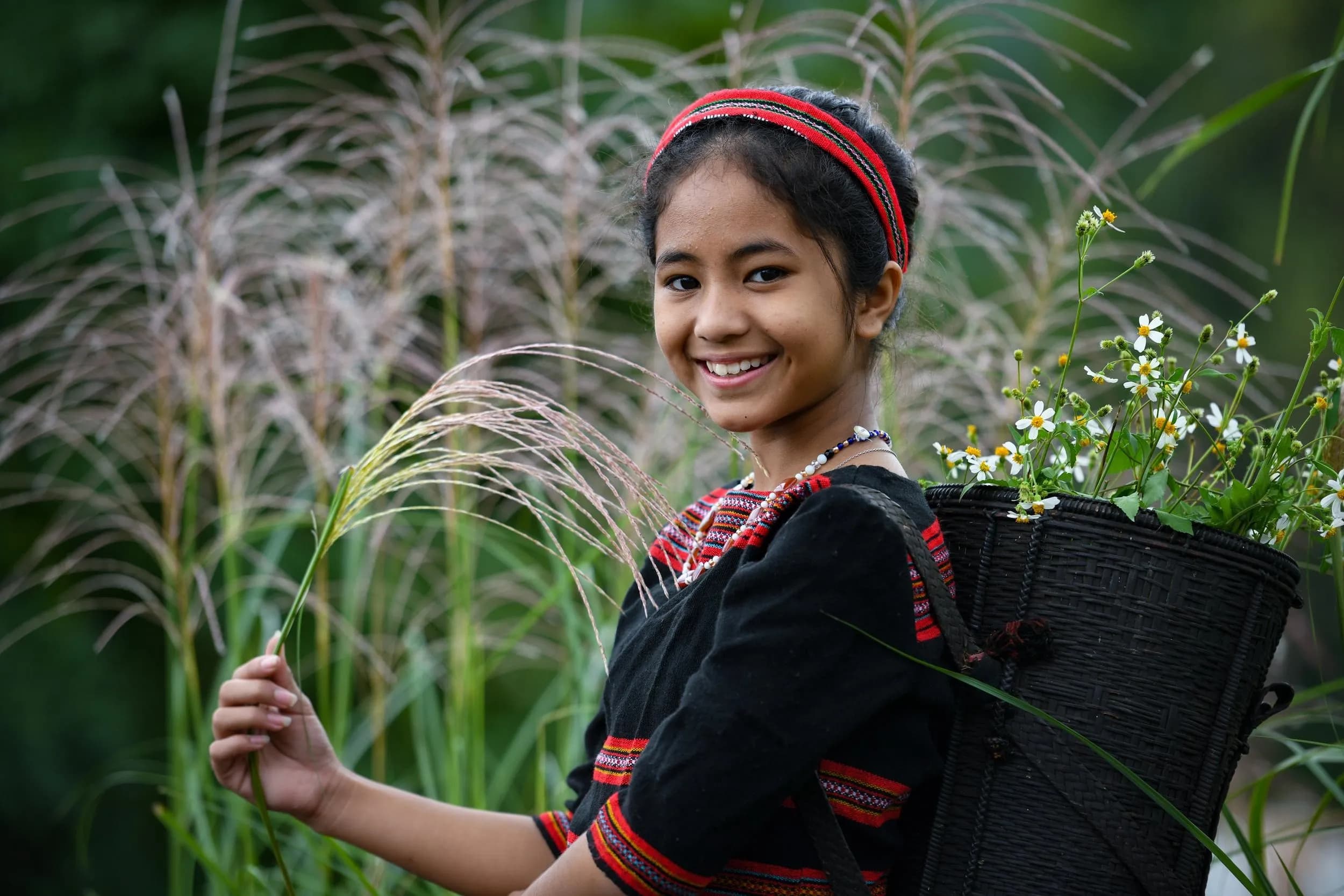
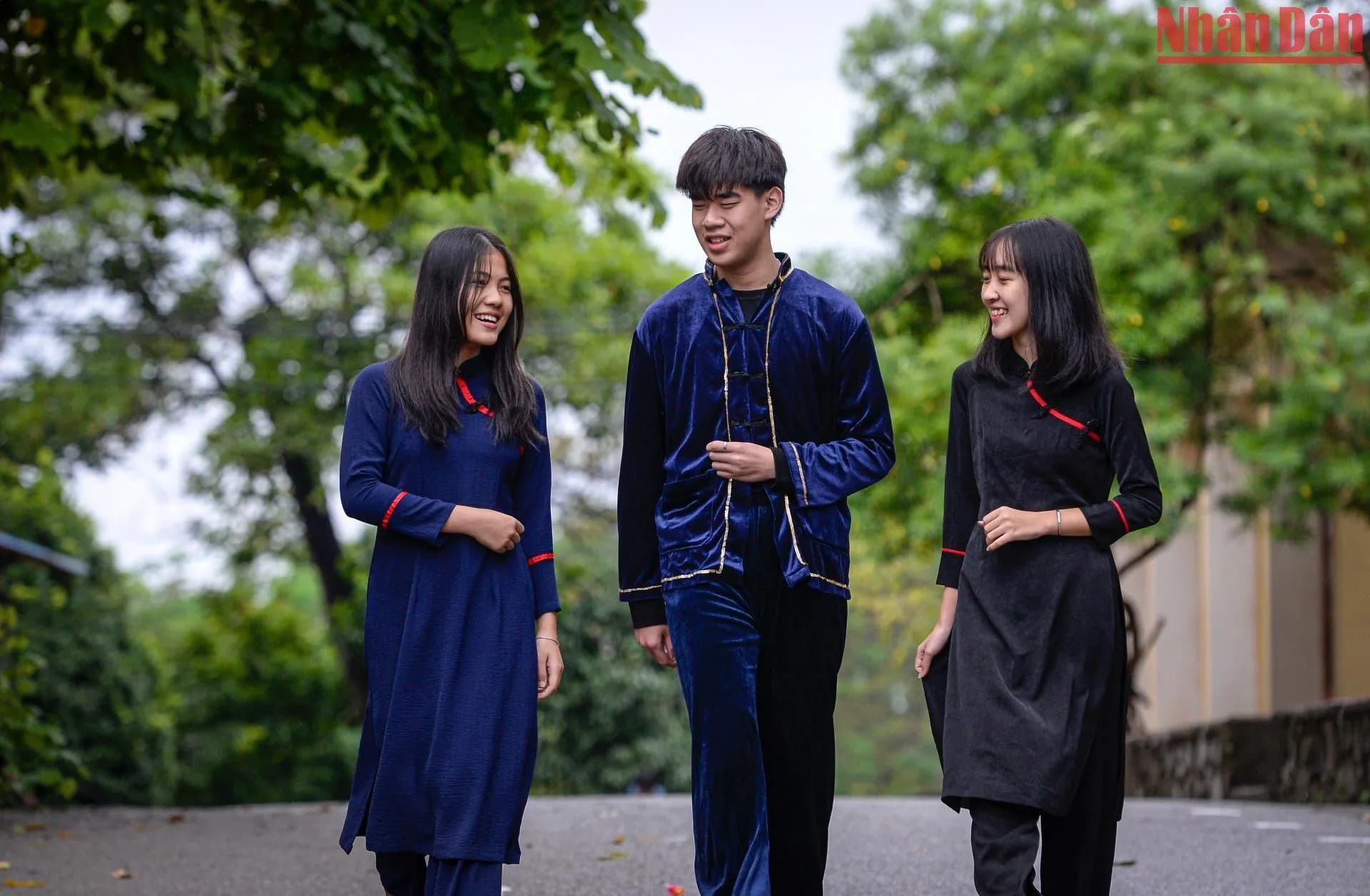
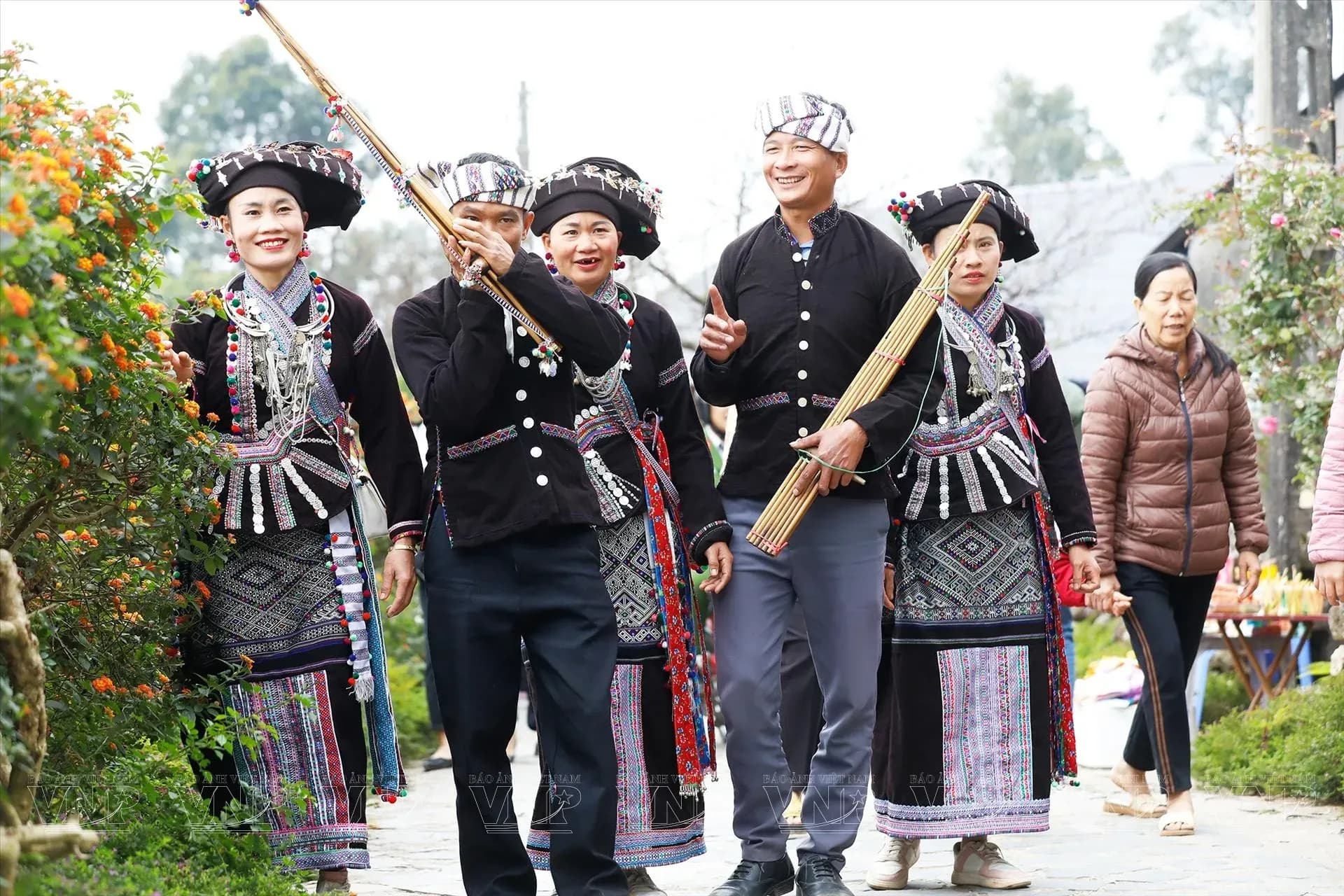
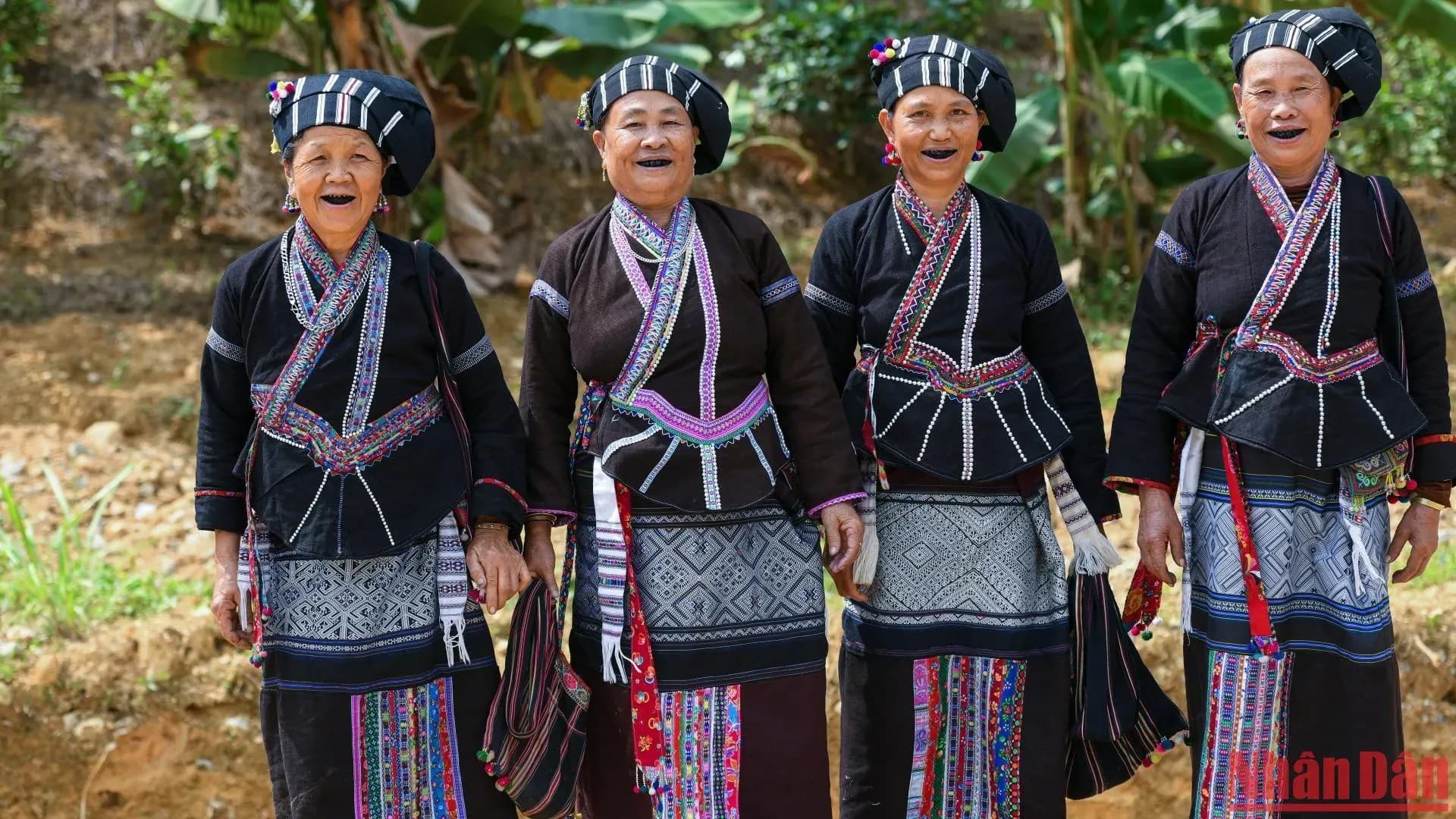
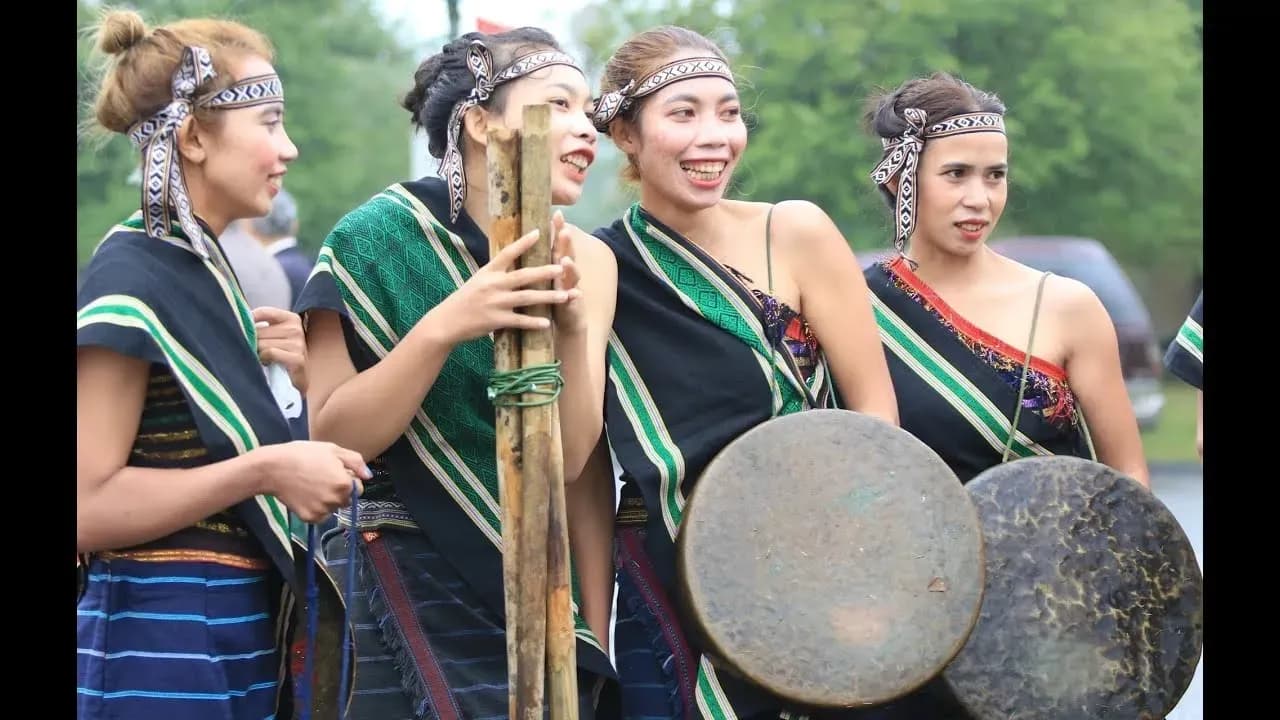
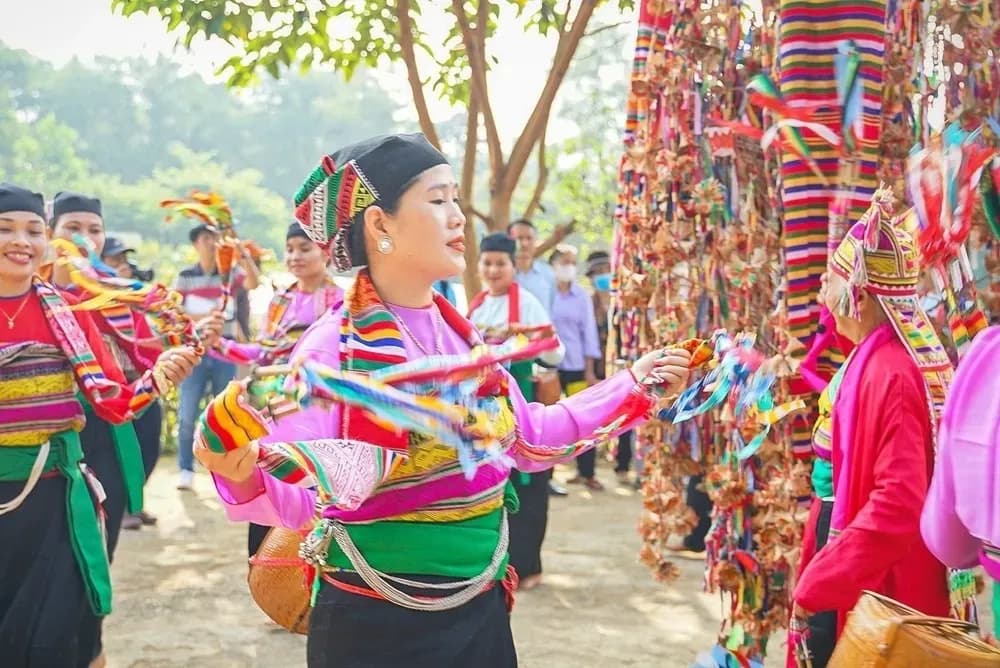
Costume: The male costume consists of wide-cropped, brown or porridge-colored pants with a waistband; a short black shirt or long shirt, a purple scarf on the head, and wooden clogs on the feet. Tho women wear white shirts; skirts made of indigo-dyed cotton, woven in horizontal stripes, when worn the stripes form parallel circles around the body; they wear white square scarves like the Muong and mourn with long white scarves like the Vietnamese.
Marriage: A popular and long-standing custom, quite unique to the Tho people is the custom of sleeping under the roof, allowing boys and girls, during festivals and holidays, to freely exchange feelings, but not to have inappropriate behavior because public opinion and customary law are very strict. From the nights of sleeping under the roof, couples gradually formed, leading to the official procedures for a marriage.
Cuisine: In the past, the highland Tho groups mainly ate sticky rice steamed with umbilical cord, but now most have switched to eating regular rice. During famine, they often eat tubers, vegetables and fruits picked from the forest. During holidays and Tet, the Tho people often make banh chung, banh giay and banh gai.
Wine (cassava wine, rice wine, and can wine) is enjoyed by both men and women and is indispensable during holidays. In addition, both men and women of the Tho ethnic groups also like to chew betel. Betel is used to invite guests on normal days, on Tet holidays, and at weddings.
Education: In the past, the Tho people did not have their own writing system, only a few people knew Chinese characters. Nowadays, Vietnamese is popular and widely used. According to statistics from the General Statistics Office in 2019, the rate of people aged 15 and over who can read and write in common is 94.9%, the rate of people attending primary school is 101.4%, the rate of people attending lower secondary school is 93.4%, the rate of people attending upper secondary school is 59.3%, the rate of out-of-school children is 9.2%.
Economic conditions
The Tho people live mainly on slash-and-burn farming and a small number of wet rice fields. The main food crop grown is rice, followed by cassava and corn. In the Keo, Mon, Cuoi groups, gai is the most widely grown plant and holds an important position in the economic life of the people. Among the Tho people, fishing is also very developed, hunting and gathering, although only developed in some areas, have contributed significantly to reducing the difficulties in people's lives.
In recent years, in keeping with the country's development, the Tho ethnic people have implemented a model of standard rural gardens, restored models of making gai cakes, weaving gai hammocks... gradually increasing family income, contributing to preserving the cultural identity of the Tho ethnic group to serve the socio-economic development in the locality.
According to the General Statistics Office in 2019, the unemployment rate of the Tho people is 0.45%; the proportion of workers in the non-agricultural sector is 28.6%; the rate of poor and near-poor households is 13.5% and 24.4% respectively; 93.2% of households use clean water sources and 98.8% of households use grid electricity for lighting.
Above is some interesting information about the Muong ethnic group in Vietnam. Let's plan to explore, meet and experience the culture of the Muong people with iGuide.ai in the near future!
Source:
- Ethnic groups in Vietnam (National Political Publishing House Truth)
- Basic characteristics of 54 ethnic minorities in 2019 (Committee on Ethnic Minorities and General Statistics Office)
- Website of the Ethnic Committee, Website of Nhan Dan Newspaper
- Survey results collect information on the socio-economic status of 54 ethnic groups in Vietnam)
Share