authenticated by

Share
Vietnamese ethnic groups
Discover the unique life and culture of the Phu La ethnic group, from traditional customs to signature cuisine, in the mountainous region of Northern Vietnam.
Dec 25, 2024 · 4 min read
The Phu La people still maintain many unique traditional customs and rituals in their daily lives. Let's find out information about the Phu La ethnic group, Vietnam with iGuide.ai!
The Phu La ethnic group, a member of the Di language branch, lives in Southwest China and some other countries in mainland Southeast Asia such as Laos and Thailand. The Phu La people migrated from the western provinces of China to Vietnam more than 300 years ago for the Phu La Lao (Xa Pho) group. The reason for migrating to Vietnam was due to slash-and-burn farming, so they needed to find new land to clear and make a living.
Ethnic groups: Phu La Hoa wear floral skirts; Phu La Den wear long, indigo-dyed, ankle-length clothes; Phu La Han are influenced by Han culture and the Chu La Phu La, Phu La Trang, and Xa Pho groups. Regarding ethnic names: In addition to the name Phu La, there are other names such as Bo Kho Pa, Mu Di Pa, Xa Pho, Pho, Va Xo Lao, and Pu Dang.
According to the results of the survey on collecting information on the socio-economic status of 54 ethnic minorities in 2019 by the Vietnam Ethnic Minorities Committee - General Statistics Office, the Dao population as of April 1, 2019 was 12,471 people, of which 6,398 were men and 6,073 were women.
The Phu La people use a language belonging to the Tibeto-Burman language group.
The Phu La ethnic group lives mainly in the northern mountainous regions, such as Lao Cai, Ha Giang, Son La, Lai Chau, Yen Bai, and Dien Bien.
- Housing: Depending on the place, they live in different types of houses such as stilt houses, half-stilt, half-ground houses or ground houses.
- Family structure: Patriarchal.
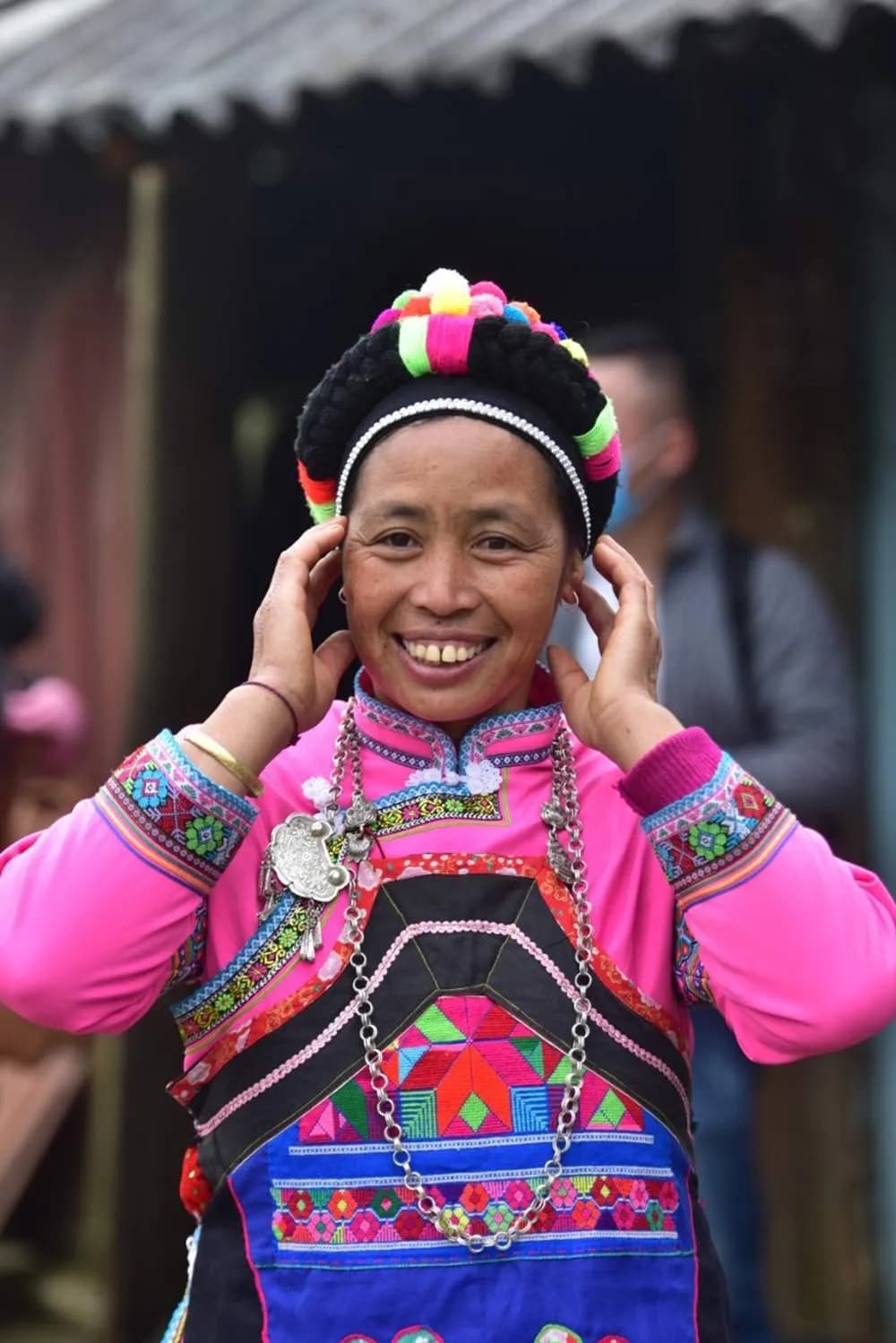
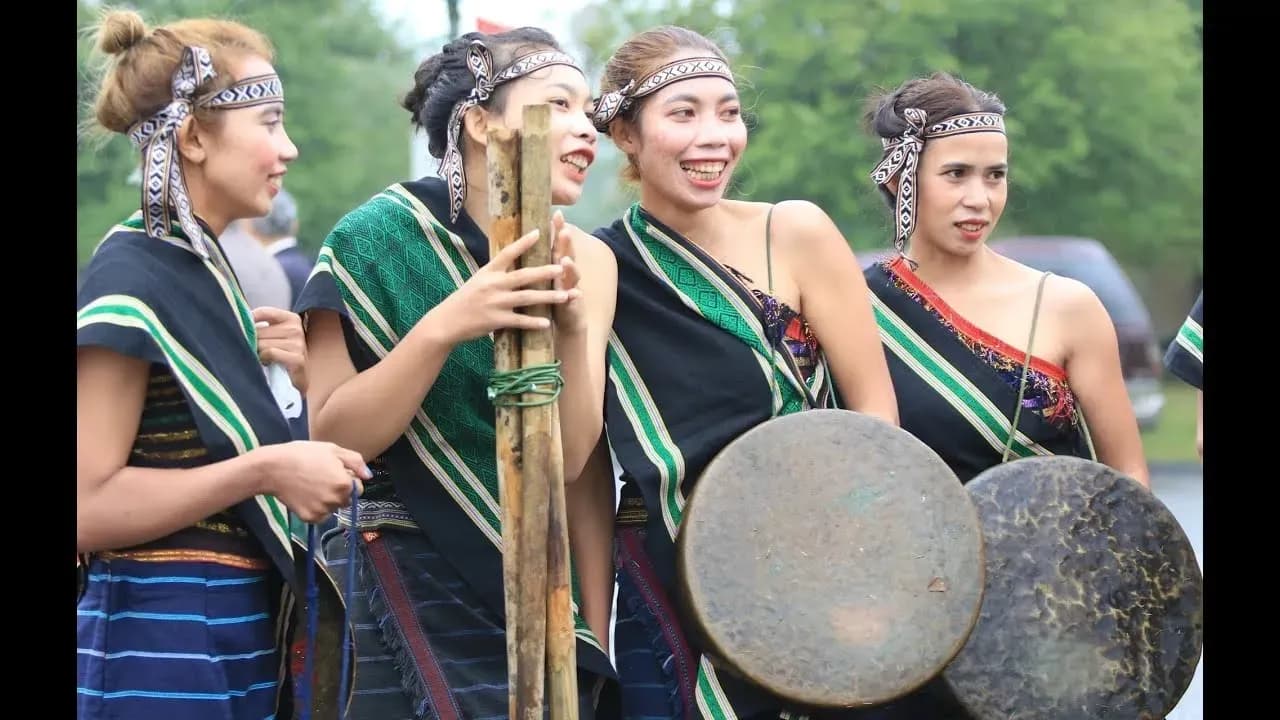
- Traditional costumes: Phu La costumes are only distinguished by gender, not by social status, between festival costumes and everyday costumes, there is no separate costume for shamans, only in weddings is there a distinction in costumes. Phu La women's costumes and jewelry include: skirts, shirts, scarves, belts, necklaces, bracelets, earrings and rings. Men's costumes include: shirts, pants, head scarves. Phu La people's clothes have indigo as the main color, at the same time, they dye the thread for embroidery from the color of natural plants. Phu La people also have a very unique art of decorative patterns, with creativity combined with the absorption of the quintessence of other ethnic groups.
- Cuisine: Phu La people eat sticky rice, sticky rice, corn, men men, vegetables, often stir-fried vegetables with fat or cooked vegetable soup mixed with ground soybeans, bamboo shoot soup with meat, bones or cooked crab, fish... Phu La people also eat grilled meat and fish, pickled, dried in the kitchen or dried.
- Drinks include spring water or water mixed with herbs or alcohol. Water boiled from leaves or roots of wild plants is often used to improve health or calm the nerves, stimulate digestion...
- Festivals: Phu La people celebrate Lunar New Year, May and July festivals, and new rice. The new rice ceremony is mainly held at the female ancestral altar, represented by women, and women in the family eat rice first. The village worship ceremony is usually held in February every year.
- Beliefs: Phu La people follow polytheism, worshiping male ancestors to bless health, and female ancestors to bless crops. They perform many agricultural religious rituals in the fields. New fishing nets must also go through a worship ceremony before they can be used.
The Phu La people cultivate swidden fields and rice fields, grow food crops, fruit trees, raise livestock, fish, hunt and gather, and do handicrafts such as weaving, carpentry, blacksmithing, and knitting. According to the "Basic characteristics of 54 ethnic minorities in 2019" of the Ethnic Minorities Committee and the General Statistics Office, the poverty rate: 40.3%; the near-poor household rate: 17.9%; the unemployment rate: 1.35%; the rate of trained workers with degrees and certificates: 11.0%; the rate of workers working in the non-agricultural sector: 23.0%; the rate of workers working in management or high and medium-level technical and vocational jobs: 6.9%.
According to the "Basic characteristics of 54 ethnic minorities in 2019" conducted by the Ethnic Committee and the General Statistics Office, the rate of people aged 15 and over who can read and write: 71.3%; the rate of people attending primary school: 100.3%; the rate of people attending lower secondary school: 82.1%; the rate of people attending upper secondary school: 29.5%; the rate of out-of-school children: 22.2%.
Above is some interesting information about Phu La ethnic group, Vietnam, let's plan to explore, meet and experience the culture with Phu La people in the near future with iGuide.ai!
Source:
- Ethnic groups in Vietnam (National Political Publishing House Truth)
- Basic characteristics of 54 ethnic minorities in 2019 (Committee on Ethnic Minorities and General Statistics Office)
- Website of the Ethnic Committee, Website of Nhan Dan Newspaper
- Survey results collect information on the socio-economic status of 54 ethnic groups in Vietnam)
Keep reading
 Related
 Related
 Related
 Related
 Related
 Related
 Related
 Related
Log in to leave a comment. Log in
Be the first to comment.
React to this story